Automotive Industry Epoxy Flooring Options
Manufacturing plants and automotive workshops require flooring solutions that can withstand intense daily operations while maintaining safety standards and operational efficiency. Automotive industry epoxy flooring has emerged as the definitive solution for these demanding environments, offering exceptional durability and protection. But with various options available, how do you determine which epoxy flooring system best suits your facility’s specific requirements?
Key Takeaways
- Chemical resistance capabilities make automotive industry epoxy flooring essential for protecting against corrosive substances and maintaining surface integrity.
- Enhanced safety features include anti-slip properties and visual demarcation systems that reduce workplace accidents.
- Superior performance characteristics ensure floors withstand heavy machinery, impact damage, and continuous traffic.
- Professional installation requires specific preparation and curing times to guarantee optimal results.
- Investment analysis shows significant long-term cost benefits through reduced maintenance and extended lifespan.
Chemical Resistance in Automotive Environments
Protection Against Common Workshop Substances
The automotive industry regularly handles aggressive chemicals, from engine oils to battery acids. Epoxy flooring systems provide a robust barrier against these corrosive substances, preventing floor degradation and maintaining workplace safety. The chemical-resistant properties ensure that spills can be cleaned effectively without compromising the floor’s integrity or appearance.
Long-term Preservation of Surface Integrity
Professional automotive industry epoxy flooring installations create an impermeable surface that resists staining and chemical absorption. This preservation of surface integrity reduces maintenance requirements and extends the floor’s lifespan, making it a cost-effective choice for automotive facilities seeking long-term solutions.
Safety Features of Automotive Industry Epoxy Flooring
Anti-slip Properties
Safety remains paramount in automotive environments where oil and fluid spills are common occurrences. Modern epoxy flooring systems incorporate specially designed anti-slip additives that maintain traction even in wet conditions. These features significantly reduce the risk of workplace accidents while meeting stringent health and safety regulations.
Visual Safety Enhancement
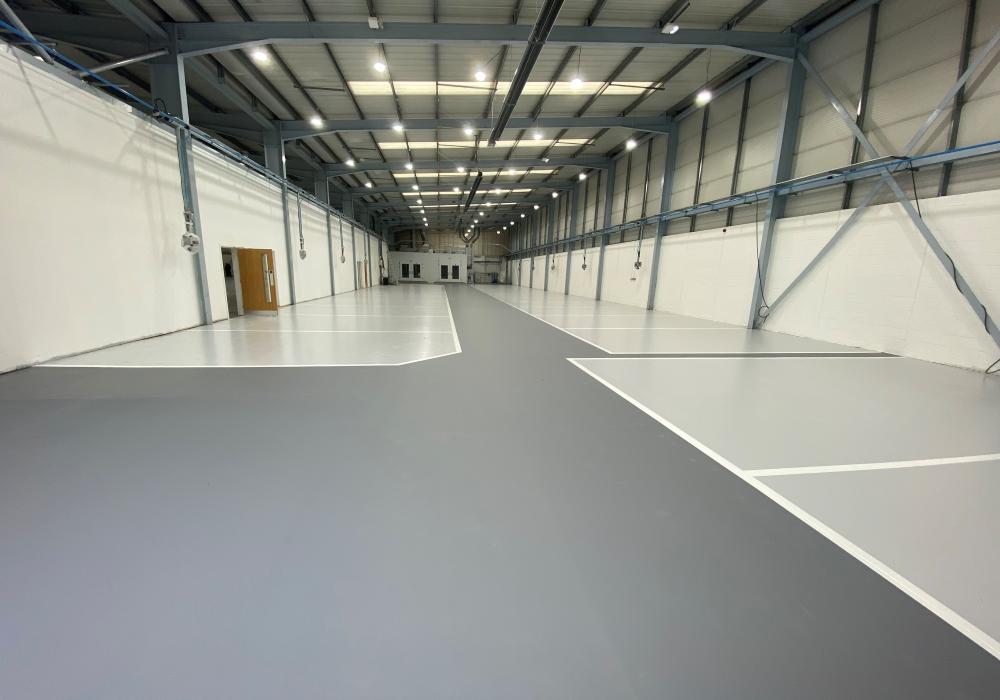
Epoxy flooring systems can include clear demarcation lines and safety zones through colour coding and floor marking. This visual enhancement helps maintain organised workflows and clearly defined work areas, contributing to a safer and more efficient automotive workplace environment.
Performance and Durability Factors
Load-bearing Capabilities
Automotive industry epoxy flooring demonstrates exceptional strength under pressure. These systems can withstand the weight of heavy vehicles, lifting equipment, and machinery without showing signs of wear or damage. The typical thickness ranges from 2mm to 9mm, depending on the specific requirements and expected load capacity of the area.
Impact and Abrasion Resistance
The resilience of epoxy flooring proves invaluable in areas where tools and parts frequently impact the surface. The robust nature of these systems prevents chipping, cracking, and surface degradation, ensuring the floor maintains its protective properties throughout its service life.
Installation Considerations
Surface Preparation Requirements
Professional installation begins with thorough surface preparation, ensuring optimal adhesion and longevity of the automotive industry epoxy flooring system. The concrete substrate must meet specific conditions regarding moisture content and surface profile to guarantee a successful application.
Application Process Timeline
Installation timeframes vary depending on the chosen system and facility size. While basic epoxy coating systems might require 1-2 days for installation, more complex multi-layer systems could take longer. Full curing typically occurs within seven days, after which the floor can handle full operational loads and chemical exposure.
Cost Analysis and Return on Investment
Initial Investment Considerations
The cost of automotive industry epoxy flooring varies based on system type and complexity. Current market rates range from £8 to £40 per square metre, depending on the specific requirements and level of protection needed. This investment covers preparation, materials, and professional installation.
Long-term Financial Benefits
When evaluating the total cost of ownership, epoxy flooring systems demonstrate significant value through reduced maintenance requirements and extended service life. The durability and resistance to wear ensure fewer repairs and replacements, contributing to lower operational costs over time.
Conclusion
Automotive industry epoxy flooring represents an essential investment for facilities seeking to maintain high operational standards while ensuring workplace safety and efficiency. The combination of chemical resistance, durability, and safety features makes these systems particularly valuable in automotive environments. By carefully considering specific facility requirements and choosing appropriate epoxy flooring solutions, automotive businesses can create safer, more efficient workspaces that withstand the rigours of daily operations while providing excellent return on investment.
Frequently Asked Questions
How long does a professional epoxy floor installation take to fully cure before vehicles can be driven on it?
Professional automotive industry epoxy flooring typically allows light foot traffic after 24 hours. However, vehicle traffic requires a full cure, which takes approximately seven days under normal conditions. Temperature and humidity can affect curing times, so following manufacturer specifications is essential for optimal results.
What preparation is required for concrete surfaces before applying epoxy flooring in an automotive workshop?
Concrete surfaces must be thoroughly cleaned, degreased, and mechanically prepared through shot blasting or diamond grinding to create the proper surface profile. Any cracks or damage must be repaired, and moisture testing is essential to ensure levels are below 75% relative humidity. The surface should be completely dry and free from contaminants before application begins.
Can existing floor markings and safety zones be incorporated into a new epoxy flooring system?
Yes, existing layout schemes can be recreated within new epoxy systems. Professional installers can match current safety markings and zone demarcations using specialist epoxy paints and line-marking systems. These can be applied between coating layers to ensure longevity and maintain workplace safety standards.
Which thickness of epoxy flooring is recommended for areas with heavy vehicle lift equipment?
For areas supporting heavy vehicle lift equipment, a minimum thickness of 4mm to 6mm is recommended. In particularly demanding zones, heavy-duty systems of 6mm to 9mm provide optimal protection and load distribution. The specific thickness should be determined based on equipment weight, frequency of use, and point loading requirements.
How often should automotive workshop epoxy floors undergo professional maintenance?
Regular maintenance includes daily sweeping and weekly thorough cleaning with pH-neutral cleaners. Professional inspection and maintenance should occur annually, with deep cleaning and resealing every 2-3 years depending on wear patterns. High-traffic areas may require more frequent attention to maintain optimal performance and safety standards.

News Views and Reviews
Share This Article
automotive industry epoxy flooring
automotive industry epoxy flooring
automotive industry epoxy flooring
automotive industry epoxy flooring
Industrial Resin Flooring
automotive industry epoxy flooring
Industrial Resin Flooring options
automotive industry epoxy flooring
📅 Last updated: