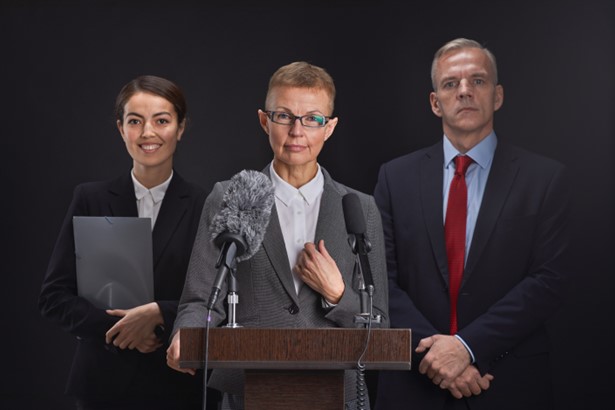
A lot of progress has been made on the lack of women in leadership and management, and here we explore how women are breaking the boundaries.
Women make up 50% of the world’s population, but only represent around 10% of Fortune 500 CEOs and 25% of Fortune 500 board members. Women are also underrepresented as managers at all levels in corporations.
Women generally bring different perspectives that can lead to a more balanced and diverse point of view. This is valuable for organisations and society in general. The reasons this disparity is so prominent may not be clear, but it’s certainly worth investigating because of the potential benefits it could have for both women and organisations.
Role of Women in Leadership Positions
When it comes to leadership positions, women are often seen as a minority and they do not receive the same opportunities as men.
The stats don’t lie, women make up half of the global workforce but account for only a quarter of all managers. The lack of female representation in leadership positions has been attributed to many factors, including discrimination and hidden biases.
Unfair discrimination and a lack of chances to develop skills are among the many hurdles standing in the way of female leaders. Women make up half the workforce but only a quarter of all managers such, making them underrepresented.
Gender-Based Bias or Prejudice Against Women and Girls
The term “gender bias” is used to describe the discrimination or prejudice against women and girls. The two words are often used interchangeably but have different meanings. Gender discrimination is an act of discriminating against someone on the basis of gender, for example, not hiring a woman for a promotion because she is a woman.
Gender biases can be seen in two different ways: individual biases, which lead to both infrequent and systematic discrimination towards the targeted gender; and organisational biases, which are usually unintentional but still create a discriminatory environment.
The Negative Implications of Gender Discrimination on Society & Society’s Response to It
Gender discrimination is one of the most common forms of discrimination in society. It has persisted for centuries and has been a major factor in shaping the world we live in today.
Women have been historically oppressed and that often affects their life opportunities, such as the chances of them getting into positions of power in society. Women are also often paid less at work or aren’t considered for important jobs.
Women are often seen as inferior to men in many parts of the world because they are seen as less capable and less intelligent than men due to their sex.
Society’s response to gender discrimination has been mixed & flawed, but some research shows it’s also been effective at fixing some of the negative effects.
The International Women’s Movement and the History of Women’s Suffrage
The history of women’s suffrage is a long and complicated one. It is important to understand the movement’s roots in order to better understand what the international women’s movement has achieved today.
Women were denied their right to vote until 1869, when New Zealand became the first country to grant women full voting rights. This was followed by Australia granting female suffrage in 1902, Finland in 1906 and Norway in 1913. However, it wasn’t until 1928 that all American women were granted suffrage with the passage of the 19th Amendment to the US Constitution.
Norway Introducing Gender Quotas for Boards of Directors
Norway introduced gender quotas for boards of directors in 2007. The move is part of a broader European Union initiative to promote gender equality in the workplace.
The country is the first in Europe to introduce such a measure, and it comes at a time when Norway is debating whether to put quotas on corporate boards as well.
In Norway, board members are appointed by shareholders and the government, so the law change would not require any changes to company law.
Women’s Participation in Leadership and Decision-making
The United Nations has called for the empowerment of women and girls as critical to achieving the 2030 Agenda for Sustainable Development, which aims to end poverty, protect the planet, and ensure prosperity for all.
The world has changed. And while the benefits of globalisation are clear, we need to ensure that women and girls have a seat at the table.
Globalisation has boosted economic growth in countries all over the world, but it is women who are often left out of these benefits. The result is economic stagnation and poverty for entire communities- which can lead to instability and conflict.
We need to make sure that women’s voices are heard, their skills used, and their potential unlocked. Women’s participation in the economy is key to growth and it needs to happen now.
Sarah Jones Coaching, Leadership Coaching and Women in Leadership.
Sarah Jones is a seasoned Leadership Coach. Born with an entrepreneurial spirit and an insatiable drive to help others find their happiness, she founded her successful coaching business to help people find purpose, meaning and direction in their lives and careers.
Sarah has been through many of the roadblocks and challenges women will face as they progress their careers and look to join the growing ranks of women in leadership. With over 25 years of serving in a leadership capacity within global organisations, Sarah is perfectly placed to coach and prepare women for leadership roles.
If you are a woman, who is an aspiring leader of the future, please contact Sarah who will help you achieve your goals. The first step on your path to success starts with a free, confidential, 30-minute consultation with Sarah, so don’t delay and book today.

News Views and Reviews
Share This Article
Women in Leadership
Women in Leadership
Women in Leadership
Women in Leadership Coaching
Discover our Women’s Leadership Coaching Programme: nurturing authenticity, confidence, and impactful leadership in aspiring women leaders.
Sponsored by

Leadership Coaching
Other Articles from Sarah Jones Coaching
📅 Last updated: